This are common examples of social issues:
– Poverty, Homelessness, Climate Change, Overpopulation, Civil Rights, Racial Discrimination, Health Care Availability and Childhood oberity.
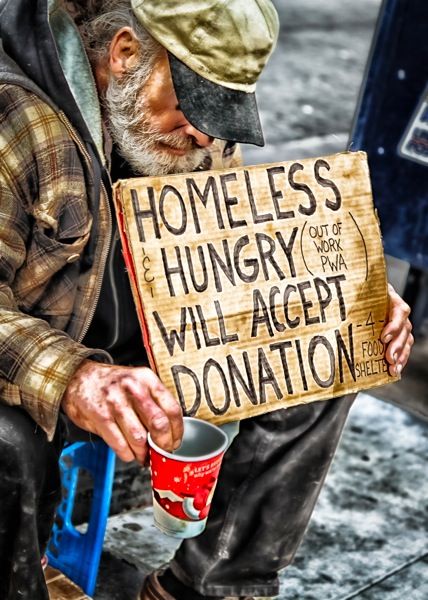
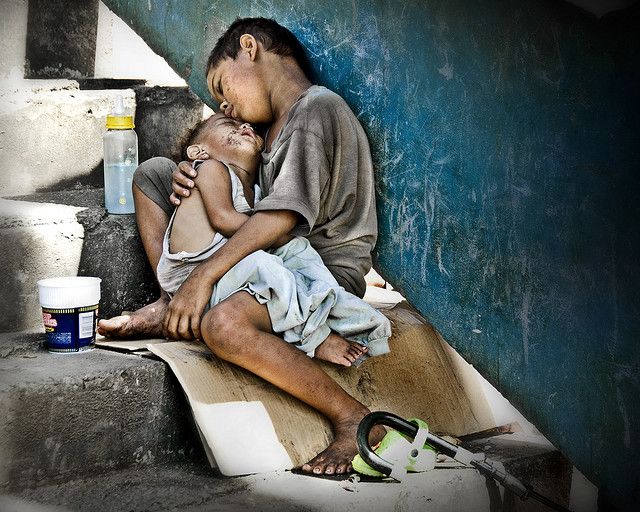
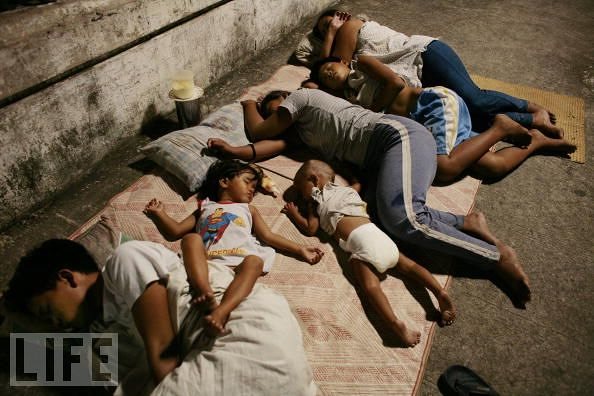
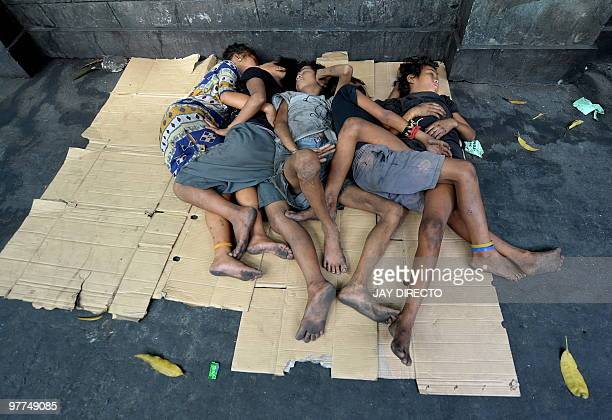
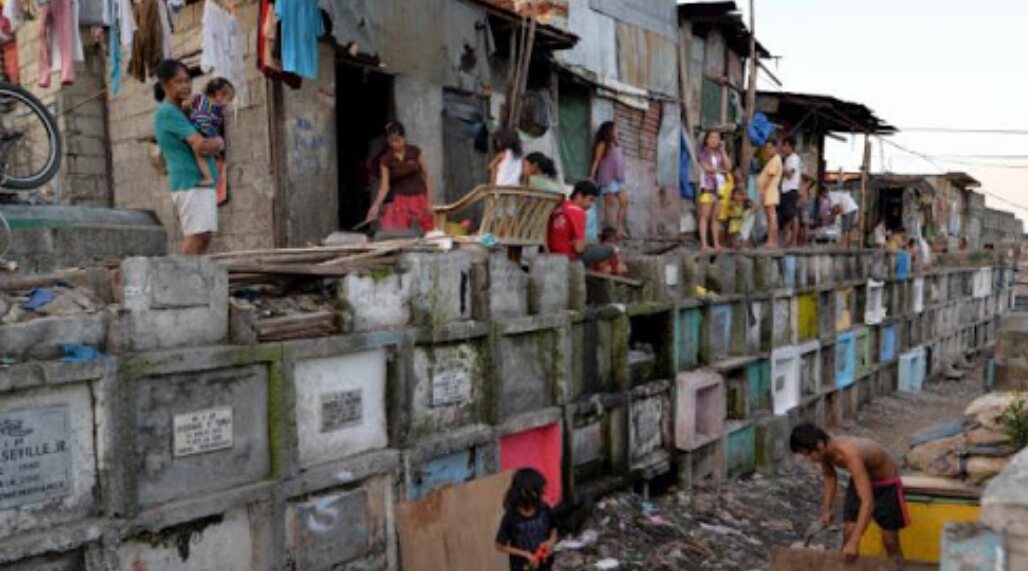
–Poverty and homelessness are worldwide problems. According to Habitat for Humanity, one-quarter of the world’s population lives in conditions that harm their health and safety. Many do not have shelter, a basic human need for survival.
This social issue also goes beyond the 25% of the population directly affected. Because of the lack of shelter for this vulnerable population, there is greater stress on government and social programs, including schools and healthcare systems. On a global scale, poverty is one of the most significant root causes of homelessness. Stagnant wages, unemployment, and high housing and healthcare costs all play into poverty. Extreme poverty is the strongest predictor of homelessness for families. These families are often forced to choose between housing and other necessities for their survival. … Teen parents are also particularly at risk of homelessness as they often lack the education and income of adults who become parents
Overpopulation
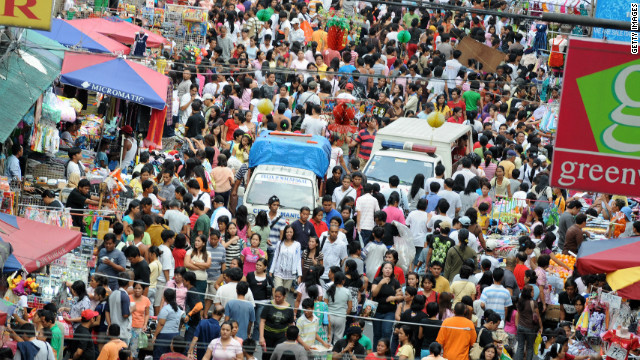
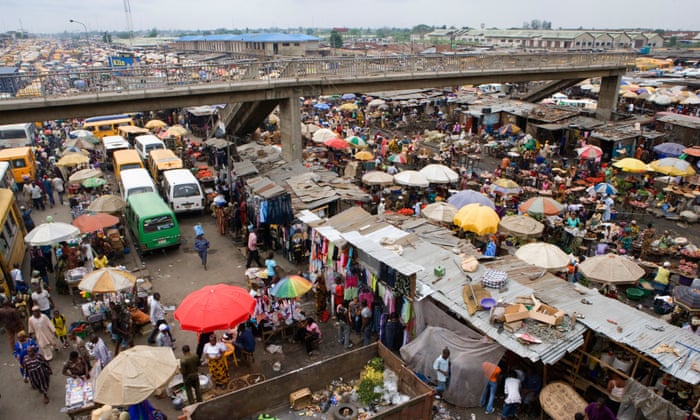
As the population of the world grows, resources become scarcer. The United Nations reports that the current population of 7.7 billion people is expected to grow in coming decades, with a projection of 8.5 billion people by 2030.
The fastest growing areas of the world, such as sub-Saharan Africa, often face already scarce resources like land for farming. As the population becomes more than the country can sustain, people will need to move elsewhere to avoid starvation and homelessness.
Civil Rights and Racial Discrimination
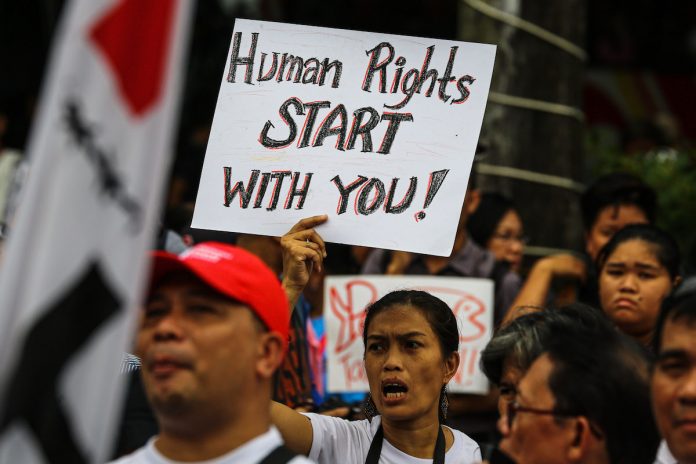
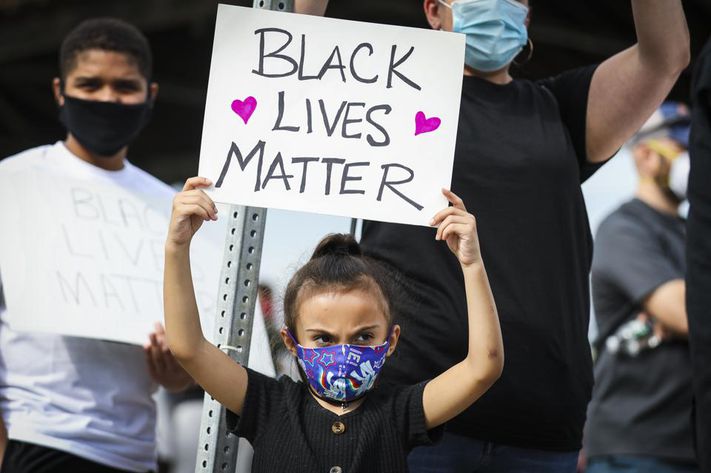
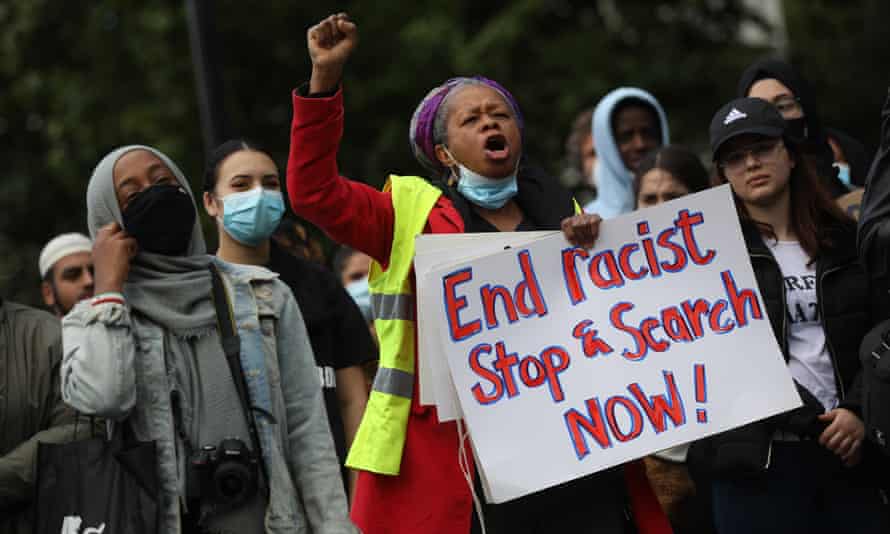
Civil rights, or the rights of citizens in a country to have equal treatment socially and politically, is another one of the most significant social issues in America and around the world. More than 40 years after the Civil Rights Act passed, almost 60% of African Americans still live in segregated neighborhoods and 90% of African Americans report that racial discrimination is still a major problem.
Health Care Availability
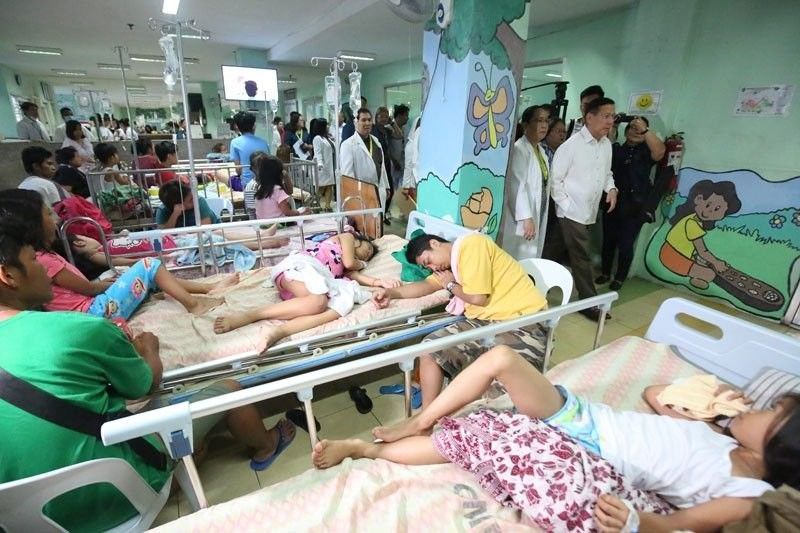
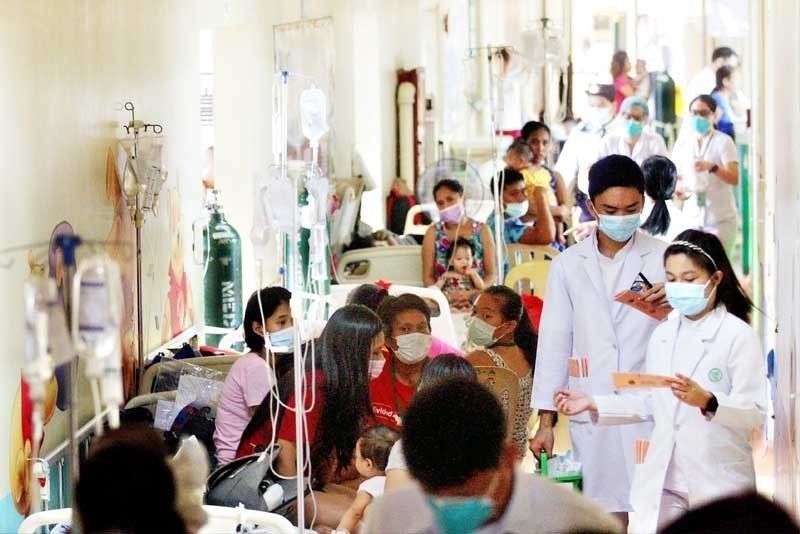
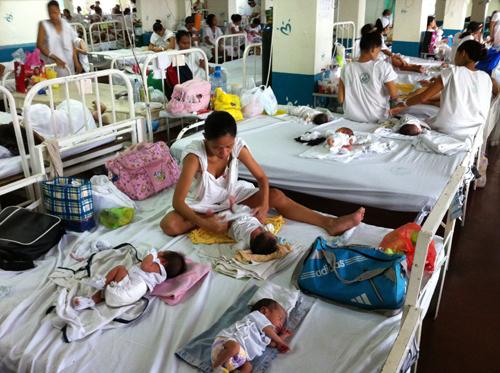
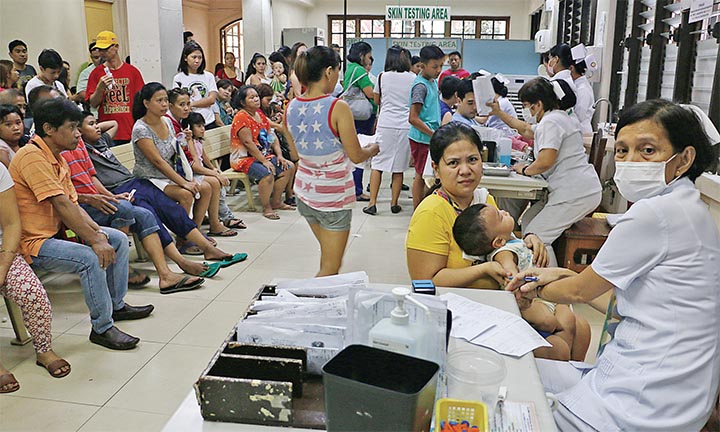
When people are sick or hurt, they need access to medical care to get better. According to the Centers for Disease Control and Prevention (CDC), almost one in 20 U.S. citizens do not obtain needed medical care because of the cost. Worldwide, 97 million people become impoverished by seeking needed medical care, as reported by the World Health Organization (WHO). Governments around the world are working on this problem, as are nonprofit organizations. Lack of infrastructure and human resources is putting a strain on the healthcare delivery system in the Philippines. The bed-to-population ratio is quite low and there is still a huge gap in the number of doctors and nurses required to cater to the needs of the growing population.
Childhood Obesity
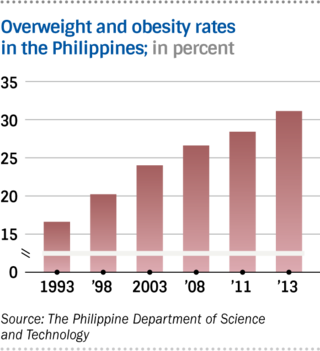
Some types of social problems are health-based, but they also have an impact on socio-economic issues. For instance, the CDC reports that 18.5% of U.S. children are considered obese, having a body mass index at or above the 95th percentile.
However, the childhood obesity epidemic doesn’t affect all children equally. Children in families where the parents have more education and higher incomes are far less likely to be obese than those in families with less education and lower incomes.
Despite their negative effects, social problems often also serve important functions for society. Society is characterized by pervasive inequality based on social class, race, gender, and other factors. Far-reaching social change is needed to reduce or eliminate social inequality and to create an egalitarian society.
 Social Change